The Chai Pan You Need Is Smaller and Heavier Than the One You Own
Most people make chai in a saucepan chosen for soup, and the wrong geometry costs them evaporation control and boil warning.
Pans, strainers, grinders, storage and what is worth spending on.
21 articles · updated August 11, 2026 · page 2 of 2
Most people make chai in a saucepan chosen for soup, and the wrong geometry costs them evaporation control and boil warning.
A grinder is the right tool for a batch and the wrong one for the pinch of cardamom that goes in off the heat.
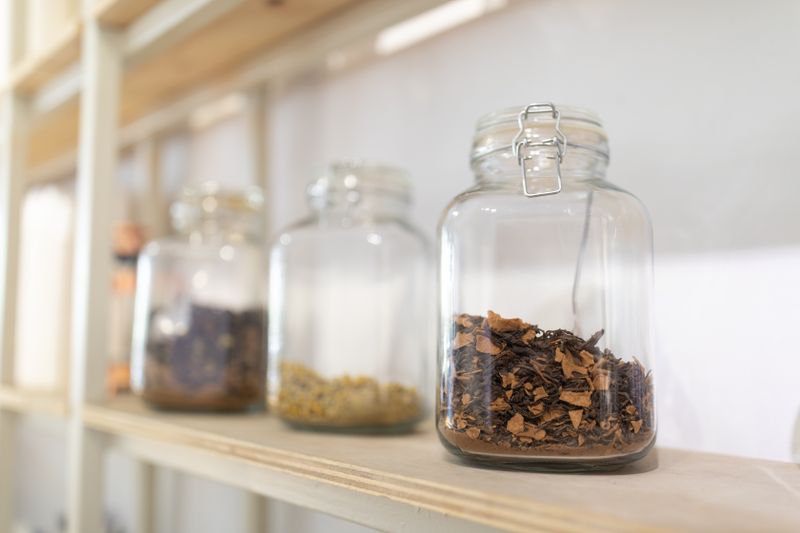
A carefully built blend can lose most of its character in six weeks sitting in the wrong jar in the wrong part of the kitchen.
Almost every complaint about chai varying day to day comes down to measuring a compressible solid with a spoon.
Six things matter and the rest is optional, but the order you buy them in decides how quickly the cup gets good.
A big burner running low is not the same as a small burner running high, and the difference shows up on the base of the pan.
The two most used fresh aromatics in a chai kitchen both deteriorate fast, and each responds to a different storage strategy.
The invisible layer of cooked milk protein on the base is what makes the next pan catch faster than the last one did.
Strip a chai kitchen down to what fits in a drawer and almost nothing essential is lost, provided you choose the right compromises.